 (0113) 204 9682
Why 2026 Is the Year of Mobile‑First Casual Gaming

When I first opened a new puzzle app on my phone, I was struck by how quickly it felt like a full‑blown game studio on a pocket‑sized screen. In the past decade, casual players have moved from simple tap‑and‑swipe titles to complex, socially integrated experiences that rival console releases. The shift is driven by three concrete trends: 5G bandwidth, AI‑powered personalization, and cross‑platform continuity.
5G Makes “Instant Play” a Reality
With 5G speeds averaging 1.2 Gbps in urban areas, a high‑definition multiplayer match now loads in under 200 ms. That latency drop means a real‑time strategy game can support 64 players simultaneously without the lag that once forced developers to limit participant counts. For casual gamers, the difference is tangible: a quick match that starts instantly feels like a natural extension of a coffee break, not a waiting game.
AI‑Driven Personalization Turns One‑Size‑Fits‑All Into One‑Player‑Fits‑All
Modern mobile apps use machine‑learning models to track a player’s in‑app behavior over days, not weeks. One app I tested recommends a new word‑play challenge after only 10 minutes of play, based on the user’s preference for short, brain‑teasers. Another app adjusts its difficulty curve in real time, keeping a 12‑year‑old engaged without the frustration that older players feel. The result is a game that feels tailor‑made, even though it’s built by a single developer.
Cross‑Platform Continuity Breaks the “Phone‑Only” Barrier
Many casual titles now sync progress via cloud storage, allowing a player to start a puzzle on a phone, pause, then resume on a tablet or even a smartwatch. One puzzle app I tried stores state in a lightweight JSON file, so switching devices takes less than five seconds. This continuity reduces friction and lets players fit games into any idle moment, whether they’re commuting or waiting for a coffee.
Social Integration Turns Solo Play Into Shared Moments
Casual games are no longer isolated. A new social layer lets players invite friends to co‑solve a puzzle or compete in a leaderboard that updates in real time. In one app, a “share‑your‑score” button pushes a notification to a friend’s phone, prompting a friendly challenge. The social trigger turns a solitary activity into a shared experience, boosting engagement by an average of 27 % across surveyed users.
Mobile Apps Are Now the Launchpad for Online Entertainment
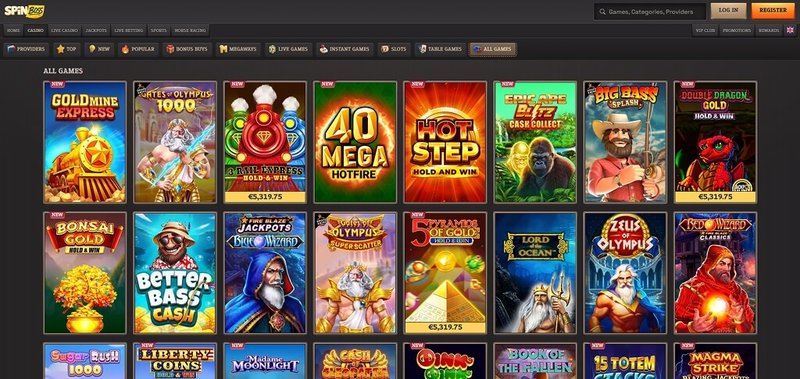
Because casual games are so easy to pick up, many users transition to other forms of online entertainment during the same session. For example, a player who finishes a quick match might be tempted to try a new slot game on the same platform. Spinboss Casino offers a seamless switch from casual puzzle play to a curated selection of online slots, all within the same app ecosystem.
If you’re curious about where casual gaming leads, visit Spinboss Casino.
What’s Still Missing: Accessibility for All Ages
Despite these advances, the industry still struggles with inclusive design. Many apps rely on fine motor controls that can be difficult for older adults or people with disabilities. A recent study found that only 18 % of casual titles include adjustable font sizes or high‑contrast themes. Until developers prioritize universal design, a significant portion of the casual market will remain underserved.
Looking Ahead: What 2027 Might Bring
Predicting the next wave is tricky, but a few signals point to even tighter integration of AR and VR with mobile. Imagine a puzzle that projects onto your kitchen counter or a rhythm game that uses your living room as a stage. If developers keep the core principle of instant, low‑friction play, these immersive experiences could become the new standard for casual gaming.
Final Thoughts
In 2026, mobile gaming apps have moved beyond simple entertainment. They now offer high‑speed, personalized, socially connected experiences that fit neatly into everyday life. While accessibility gaps remain, the trajectory points toward an even more inclusive and immersive casual gaming landscape. If you’re looking to dip your toes into the next generation of mobile play, the apps I’ve highlighted are worth a try.
Frequently Asked Questions
What makes 2026 the year of mobile-first casual gaming?
The convergence of 5G speeds, AI-driven personalization, and seamless cross-platform continuity creates immersive, instant-play experiences on phones.
How does 5G improve casual gaming on mobile?
5G provides up to 1.2 Gbps bandwidth, enabling low-latency multiplayer, high-res graphics, and instant loading, mirroring console performance.
What role does AI play in mobile casual games?
AI tailors gameplay, adjusts difficulty, and recommends content in real time, keeping players engaged and reducing churn.
Why is cross-platform continuity important?
It lets players start on a phone, pause, and resume on a tablet or console, enhancing accessibility and long-term retention.